
Skeleton Key to Life, Part 6-Communicating & Maintaining Your Estate Plan in Florida

Part 6– Communicating & Maintaining Your Estate Plan in Florida
Creating an estate plan is only half the battle. A carefully drafted will, trust, or healthcare directive does little good if your loved ones cannot find it, do not know it exists, or are left guessing about your intentions. Estate planning is not a one-time event — it is an ongoing process of communication and maintenance.
This semi-final post in our series explains why communication is just as important as the documents themselves, how Florida law treats lost or outdated plans, and what best practices ensure your estate plan remains effective over time.
Why Communication Matters
Communication matters for several reasons but preventing family conflict is always a primary concern. Family disputes often arise not because the plan was wrong, but because no one knew what the plan was. Silence breeds suspicion.
As an example, in In re Estate of Parker, 110 So. 2d 498 (Fla. 1st DCA 1959), the court was forced into a “lost will” proceeding, reconstructing the decedent’s intentions after the original Will could not be found. The uncertainty fueled litigation and costs that could have been avoided if the plan had been communicated and stored securely.
Ensuring timely action is another consideration, especially when probate deadlines are strict. Creditors must file claims within 3 months of notice (F.S. § 733.702), and homestead petitions or elective share claims are also time-sensitive. If heirs cannot locate documents promptly, they may lose important rights.
Communication can reduce stress during a medical emergency or crisis when unexpected medical emergencies come without warning. If family members cannot access your healthcare surrogate designation or living will, hospitals may default to the statutory surrogate list (F.S. § 765.401), even if that is not who you intended.
Storing Estate Planning Documents
Where you keep your estate planning documents matters as much as what they say. Depending on preference, there are several options, but protecting originals is tantamount to ensuring your plan proceeds accordingly.
A home safe is a wise choice, as fireproof and waterproof safes keep originals secure, but access must be available to trusted people. A safe deposit box can be an advantageous alternative. However, Banks often require court orders for heirs to access safe deposit boxes after death (F.S. § 655.936), which can delay distribution of an estate and requires probate administration (court proceeding).
Attorneys will typically keep signed copies or for an additional charge, maintain originals as part of client records. Digital Storage with encrypted online vaults or password managers allow fiduciaries to access documents quickly.
Best practice is to provide fiduciaries with copies and clear instructions on where originals are located. A will that cannot be found may be presumed revoked under F.S. § 733.207, leaving your estate subject to intestacy laws.
Updating Your Plan
An estate plan is not “set it and forget it.” Florida courts consistently apply the law in effect at the time of death, and your personal circumstances will change. Attorneys recommend reviewing your plan every 3–5 years, or sooner if any major life event occurs. Triggers for review of your estate plan include the following:
- Marriage or Divorce: Divorce automatically revokes provisions benefiting a former spouse (F.S. § 732.507(2)).
- Birth or Adoption of a Child: New heirs may not be included in old documents, creating disputes under F.S. § 732.302 (pretermitted child statute).
- Property Transactions: Buying, selling, or refinancing real estate may require updates to deeds or trusts,
- Relocation: Moving to or from Florida can alter homestead protections and elective share rules.
- Law Changes: Federal estate tax exemptions, Medicaid eligibility rules, and digital asset laws evolve regularly.
Talking With Your Family
Estate planning documents reduce uncertainty, but conversations reduce conflict. Consider having family meetings. Gather heirs to explain your intentions and the reasoning behind them.
Lettersof Instruction can be handy. While not legally binding, personal letters can explain decisions(e.g., unequal distributions) and reduce resentment.
Ethical Wills are non-legal documents that pass down values, traditions, and advice to future generations.
Fiduciary Preparation
Naming an executor, trustee, or healthcare surrogate is only the beginning. Preparing them for their role ensures smoother administration.
Personal Representatives (Executors) must comply with Florida Probate Code (F.S. Chapter 733), including filing inventories and accountings. Trustees are bound by fiduciary duties under the Florida Trust Code (F.S. §§ 736.0801–736.0813), which dictates handling of assets, communication with beneficiaries, among other responsibilities. Healthcare Surrogates should be apprised of your wishes in advance and be given copies of directives. If a fiduciary is left in the dark, they may unintentionally breach duties, creating legal liability and family conflict.
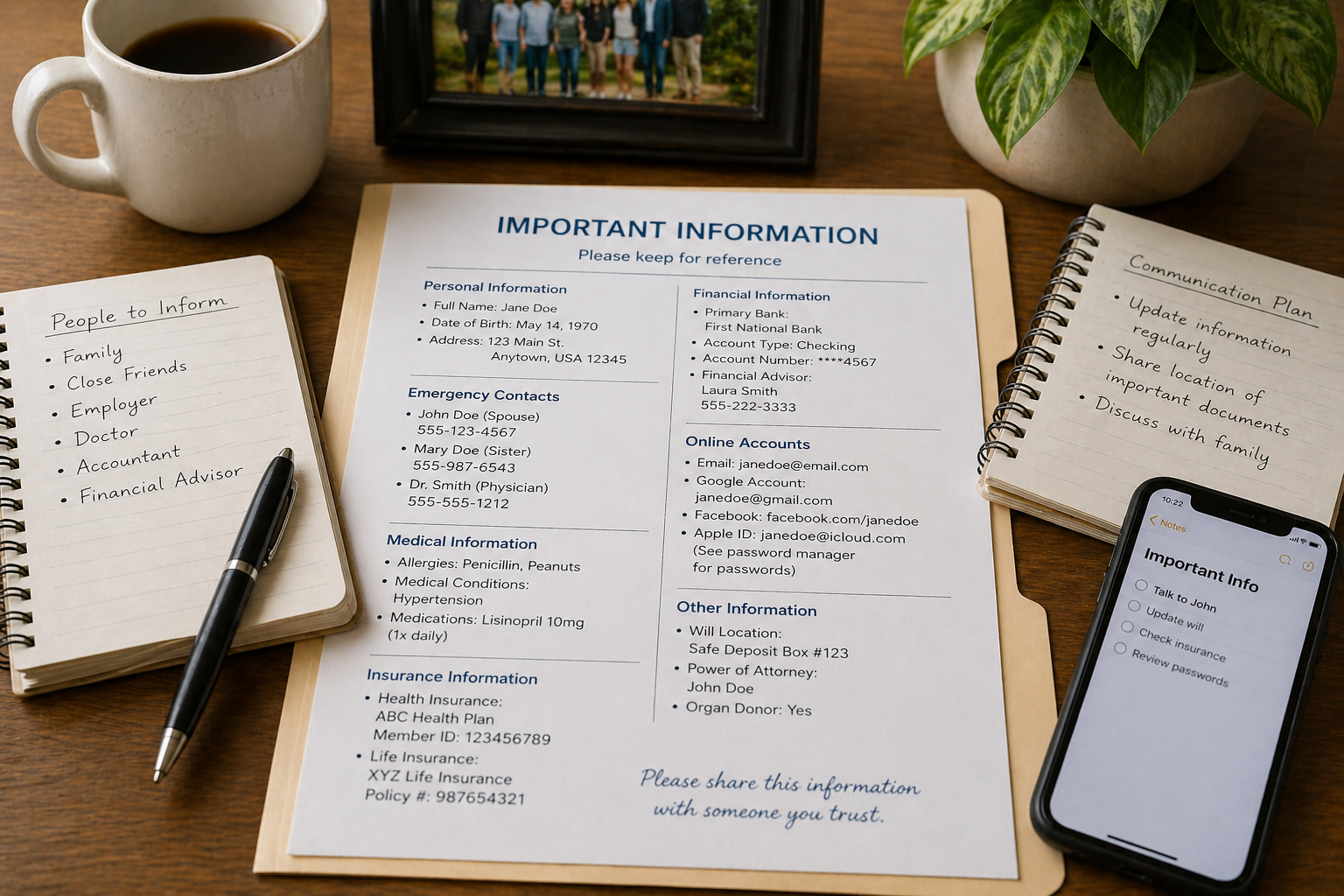
Checklist: Communication & Maintenance
- Store originals in a safe but accessible place
- Provide fiduciaries and family with copies.
- Review your plan every 3–5 years or after life changes.
- Hold family conversations to explain decisions.
- Update documents when laws change.
- Document digital asset instructions.
Estate planning is more than documents — it is a living conversation. Your plan must be found, understood, and updated to remain effective. By communicating with loved ones and reviewing documents regularly, you protect your voice, reduce conflict, and ensure your legacy is preserved.
The law in Florida is clear: if your documents are lost, outdated, or hidden, the courts will fall back on statutes. By maintaining and sharing your plan, you —not the state — decide how your story ends.
Don't stop here — each article in this series builds on the last, giving you a complete roadmap to protect your family, your assets, and everything you've built. READ THE SKELETON SERIES HERE:
About the Author: Terra L. Sickler,Esq. is one of the founders of the law firm Twig, Trade, & Tribunal, PLLC, in Fort Lauderdale Florida. She practices Dirt (real estate law) and Death (estate planning and probate). She can also be found @the.Terra.attorney providing legal insights on real life & death issues that we will all face, one day.


